The Greenhouse Build
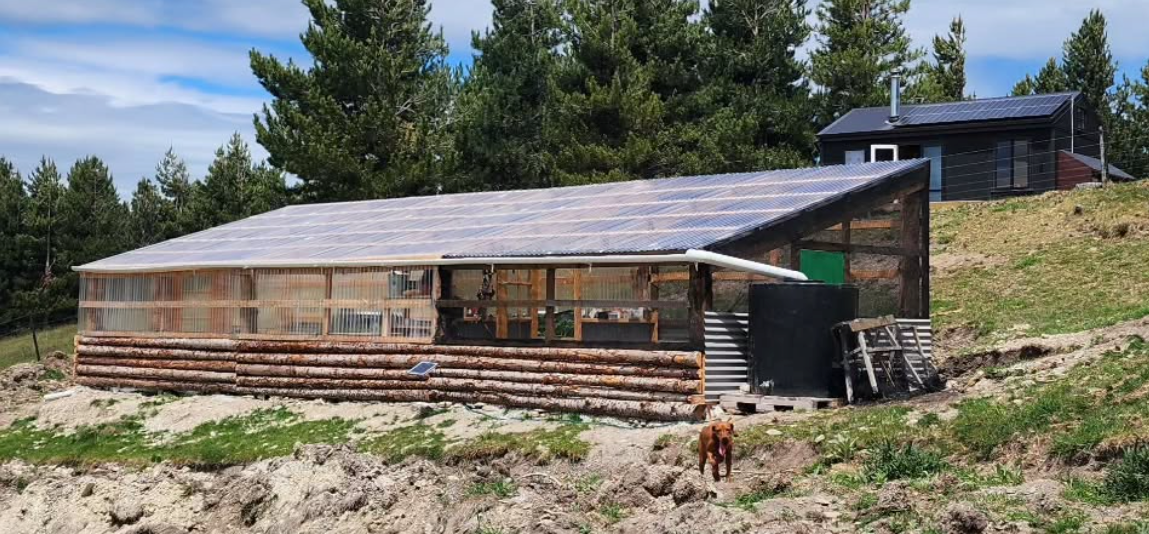
The completed DIY greenhouse and native nursery
Originally published in the ‘On the Land’ Magazine,
We moved to our blank, 12ha property in the mountains in July 2023. Impatient and full of enthusiasm, one of the first jobs we did was build eight raised garden beds. We surrounded them with a pallet fence, patted ourselves on the back and started planting.
Come October, we were questioning every decision we’d made. The wind was unlike anything we’d dealt with before. We’d visited on an incredibly windy day before moving that was bad - this stepped it up a notch. On the worst day that spring 183km/hr was measured at the neighbours from the south west. The rest of the season wasn’t much better with ongoing gale force winds that took down branches, ripped a tree in half and constantly disposed of anything left outside.
But summer would be more settled, right? Not this one! In early summer 2023 we had a wind gust measuring in at 154km per hour from the north west this time - our prevailing wind. Now picture what happens when 38 different species of vegetable that have just come out of the ground, get hit with those types of winds. Now picture it THREE TIMES. My seedlings were repeatedly reduced to single stems, pulverised leaves and empty beds.
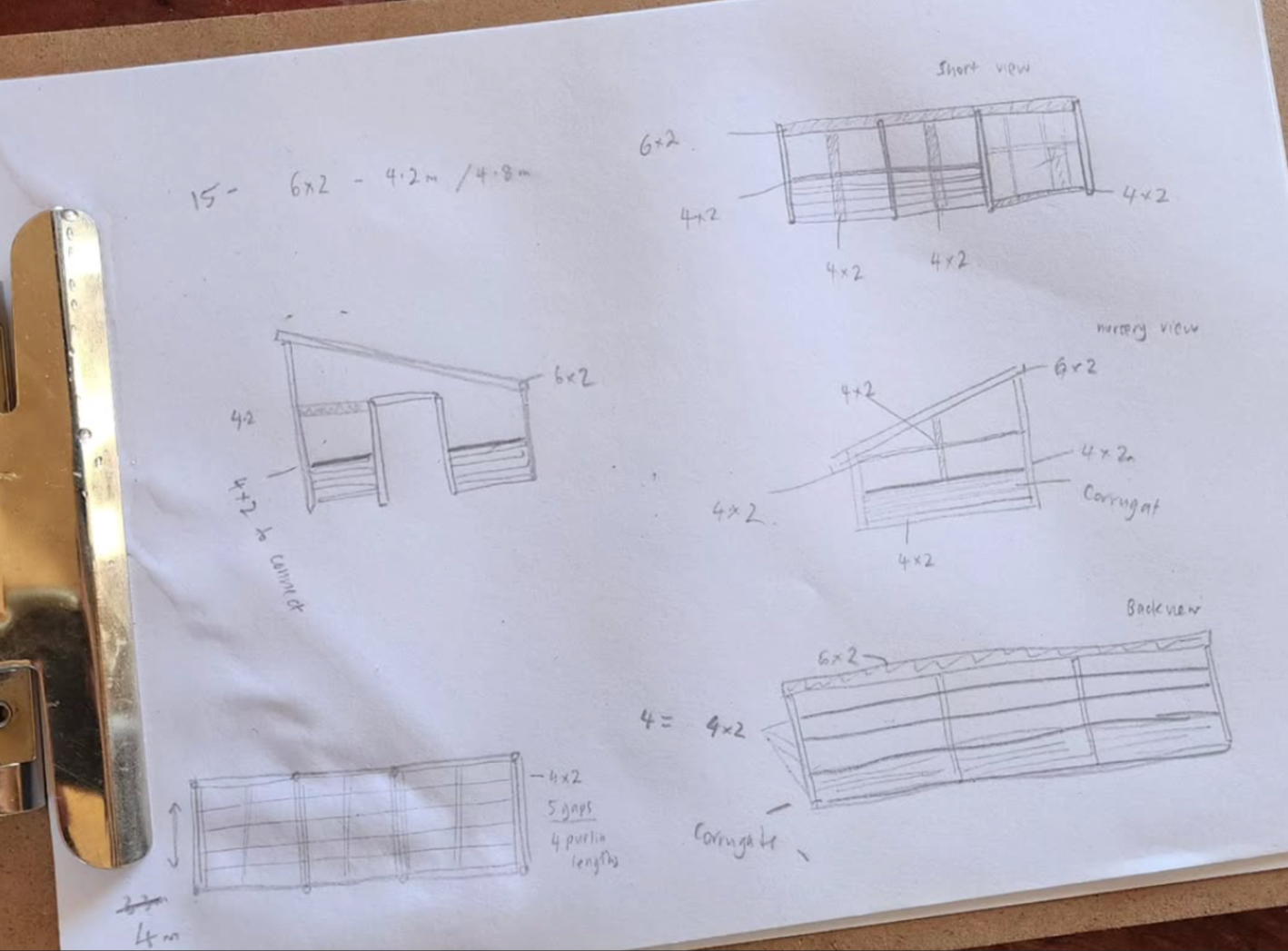
By late summer I was drawing up plans for a large greenhouse. One that sat carved into a north easterly facing hill. It was to be sturdy with a roof angled to let the wind blow over it, snow slip off it and one third of it was to be a native nursery. I’ll admit, when I drew it I didn’t actually envision making it. It seemed big, hard and expensive.
Thankfully Dave came at it with the enthusiasm I needed to carry me through. On one hand I think he understood the importance of a greenhouse in our location, on the other I think he saw how much the last season deflated me and also he knows how important growing food is to me, to us.
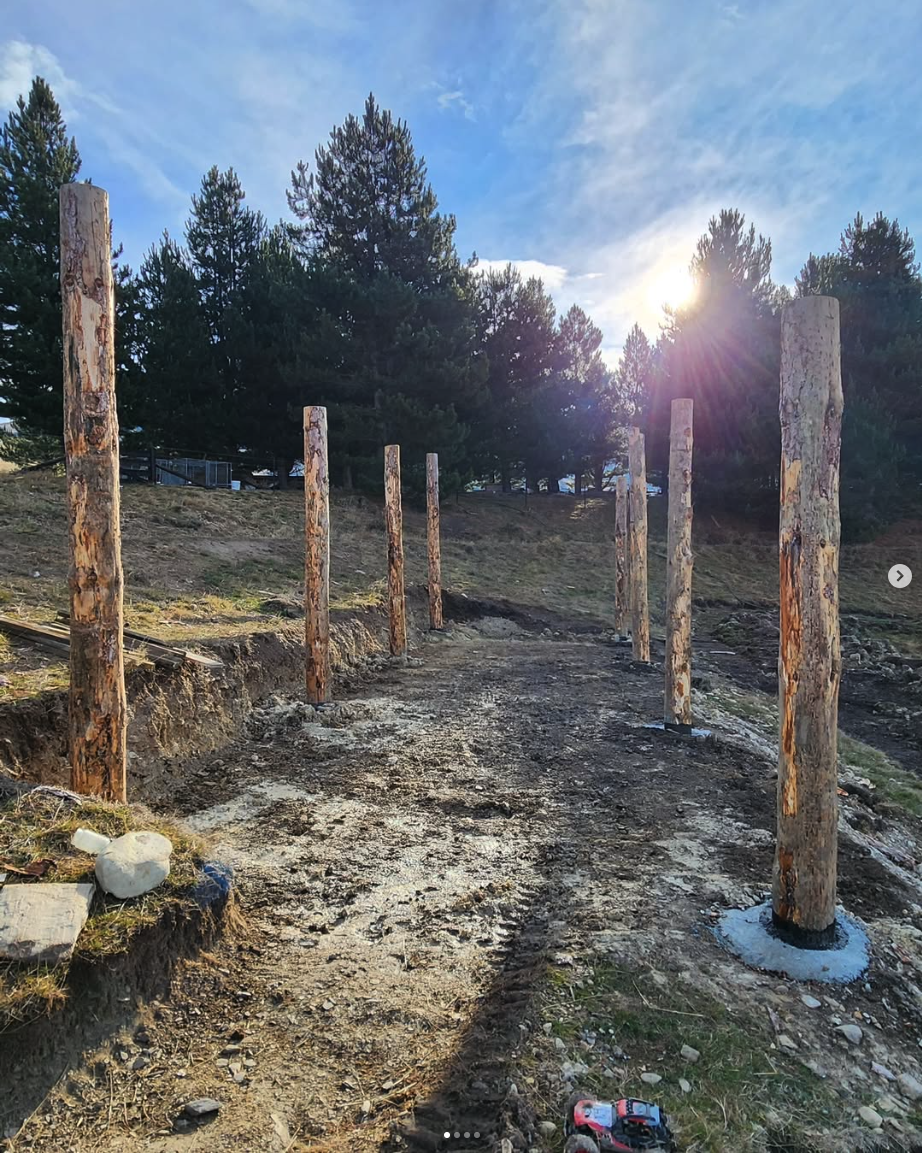
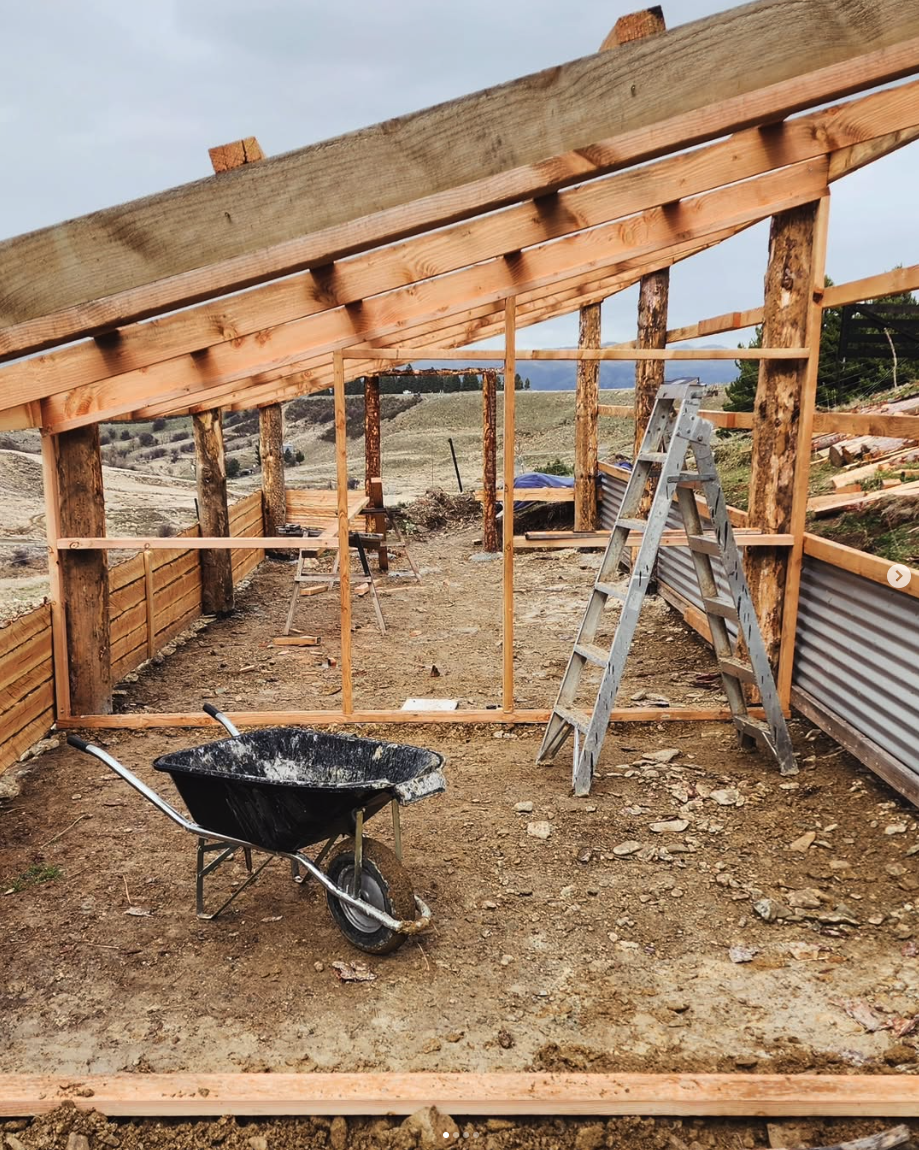
After our neighbour carved in the platform with his large digger and we squared it up with a smaller one, we began by sourcing twelve large, 4m+ long tree trunks from the local Naseby forest. These cost us $100 for twelve due to them being not straight enough to make posts - so were purchased at firewood prices. They were HEAVY but exactly what we needed. A relatively hard wood, untreated and cheap.
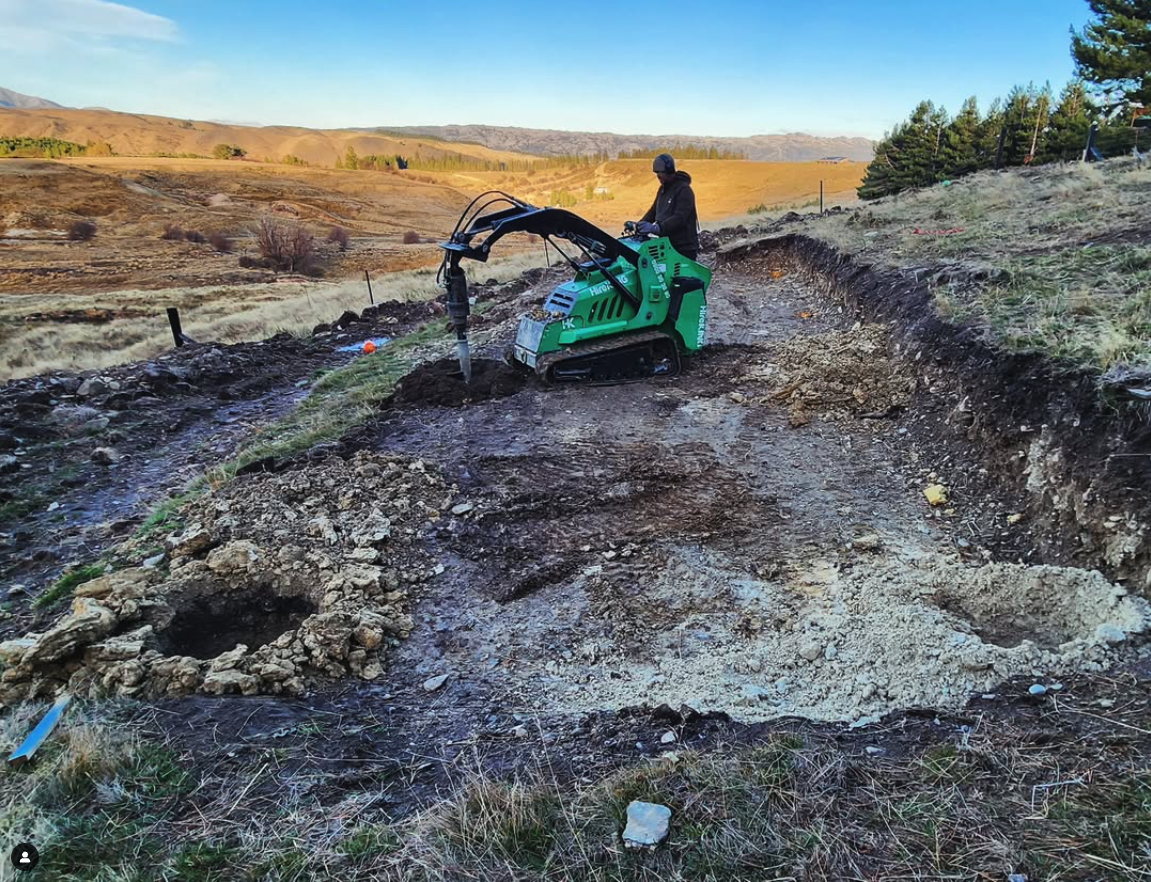
The next step was hiring a machine that drilled eight large holes over 1 metre deep, through the white clay in our hillside. We covered the end of each post in four layers of recycled plastic to prevent the posts from being in contact with the ground and any moisture. We braced them in place with Dave rigorously manning the level to ensure perfection (don’t get me started on Dave and his level), then I spent a day shovelling cement, sand, gravel and water to make the concrete to hold them into place while Dave took the wheelbarrow up and down the hill.
Did I mention it’s June at this point? It was cold. Really cold. Some days barely broke 0 degrees.
The next step was framing. A number of the firewood poles we got were long and skinny so I had the idea to slice them in half lengthways and use them as a log cabin style feature for the 900mm base that would then back the internal raised beds, fixing them with some seriously large coach bolts. Have to admit, I’m still thrilled with this decision.
The back wall of the greenhouse that sits against the hillside is lined with recycled, great quality corrugated iron and in time we envision piling rocks in the gap to help catch and retain the heat from the day. Anything to keep the inside from freezing in our -8 degree mornings.
We sourced the untreated Douglas Fir framing timber from an old neighbour in Glenorchy which kept with our desire to not use treated timber and was at a good rate. This was one of our biggest costs and one we didn’t want to compromise on in our weather conditions.
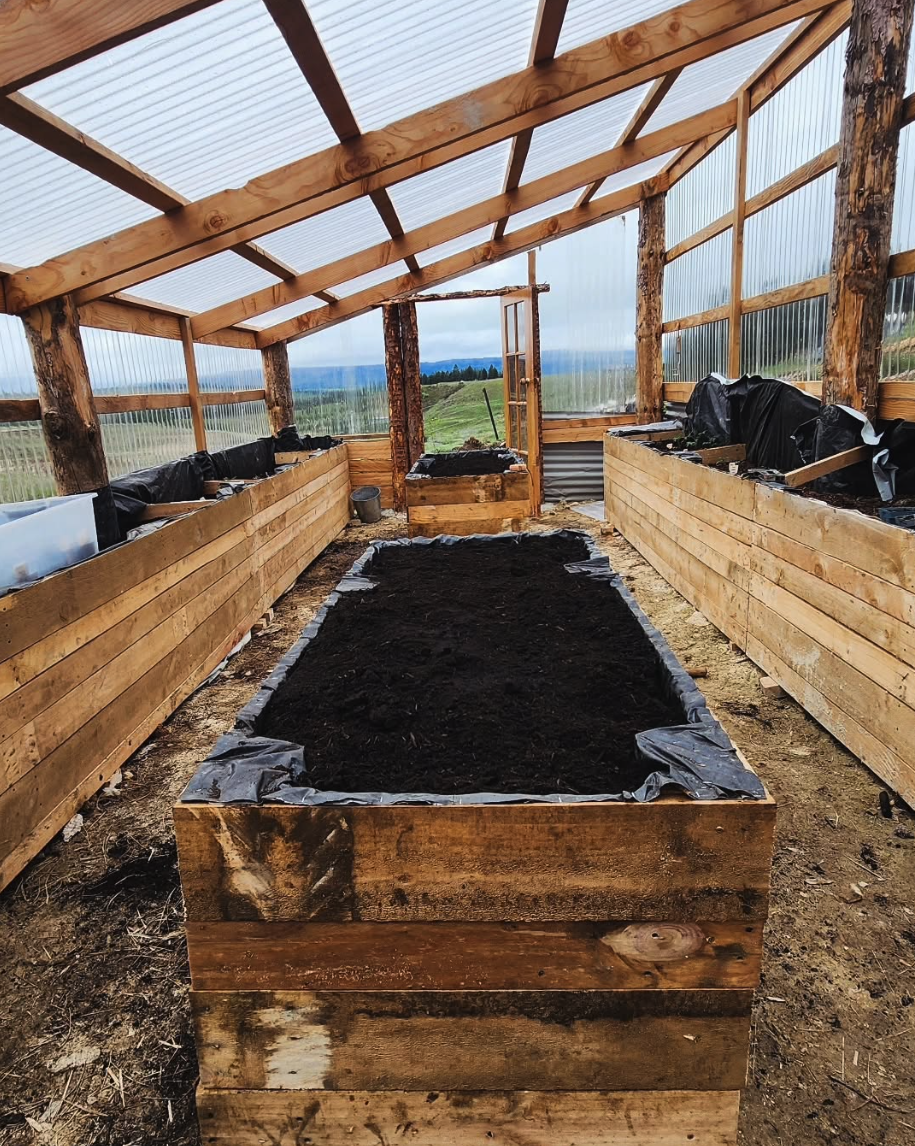
Our other big cost was new corrugated polycarbonate plastic to make up the roof and walls. We didn’t want to faff around with the sourcing and weight of recycled windows in a structure this size so had to bite the bullet and fork out on the plastic. It was easy to install and looks great, however I would encourage you to buy the best quality and thickness that you can afford to help with as much heat retention as possible - some do a double layer!
For the nursery end we used doubled-up, brand new, orchard netting off-cuts from a local orchard, held in place by hundreds, if not thousands of staples! This slows down the wind, creates shade and has done well this summer with seed raising, storing trees for next winter's planting and our natives. It seems to be doing the job but not yet sure if it will help to prevent any frosts.
Once the structure was externally complete, we were running out of time. It was September, I had three huge 70L Sistema boxes of seedlings stacked in our tiny cabin and spring was knocking on the door so it was time to run the home stretch.
After four months of weekends building, we were definitely losing steam by this point and questioning why we thought we could undertake such a large structure build without substantial plans, in the middle of winter, with a deadline and a lack of significant funds. Nearly there!
The inside of the greenhouse was ready to put together. The vision was raised beds running the full length of each side with two in the centre, and a dining table between them (Did I mention our house is a 28sqm self-built cabin in the forest?). We got underway, using more of the recycled, untreated pine, tree-transporting pallets which formed each bed, braced with leftover douglas fir. We lined each bed with recycled silage wrap, again, to protect the wood from excess moisture, and half filled them with branches, horse poo and anything we could find laying around - before topping them with a garden soil and mushroom compost blend.
Fast forward six months and the greenhouse looks just as I hoped, like a wild, green, lush forest. We have countless eggplants, over 100 pickling cucumbers, tomatoes, spring onions, rockmelons, watermelons, a butternut pumpkin climbing the walls. The chilis and capsicums are now ripening, the zucchinis have been impressive and now I have many winter brassicas pouring out of those same Sistema containers with vigour!
When I think back to how we had to drag the huge poles with strops slung over our shoulders, walk them down a short steep hill, roll them along the hillside then carefully tip and guide them into the holes - I’m amazed we pulled it off but it has absolutely changed the game in this harsh and unforgiving environment. The greenhouse provides a welcome, warm and quiet relief hidden out of the wind on those harsh gusty spring days, unseasonal warmth on sunny cool-season days and the optimal growing zone in the height of summer. We’re soon to see how it holds its heat in winter and keeps the brassica ticking away, but we’re hopeful!
Our second greatest feat, only one down from building our own wee home!
To see more photos form start to finish including it in full bloom, check out the highlights on our Instagram page @coalpitgullyroad
Price Breakdown
Everything not listed was free:
Poles: $100
Pole Border Hire: $300
Polycarb: $1600 (Placemakers)
Framing Timber: $1270
Concrete: $250
1000L Tank $100
FIxings: $300
Soil: $450
Elm Slab Table: $200
Stone floor (leftover from septic) $150
Approx Total: $5,000